
From £400 to £9,236: Devon bikers go the extra mile for FORCE!
What started as an idea between two friends to ride their motorbikes around Devon and raise a few hundred pounds…

Staying active is one of the many things you can do for yourself after a diagnosis of cancer. It’s an important part of looking after your health and wellbeing.
Cancer and its treatments can cause physical changes such as reduced energy levels and fatigue as well as low mood and anxiety.
Evidence shows that simple physical activity can reduce many of the side effects of cancer treatment and also the risk of recurrence in some cancer by up to 60 per cent.
Being active before, during and after treatment can:
You may be a little nervous about building up your activity levels, particularly if you haven’t been active for a while. You may feel too tired or just not know where to begin.
However, being active carries fewer risks than being inactive.
Exercise positively contributes to the reduction of the secondary symptoms of cancer with the overall aim of improving your quality of life and aiding faster recovery.
Even if you are not particularly mobile or have concerns about other medical conditions, you can still exercise safely.
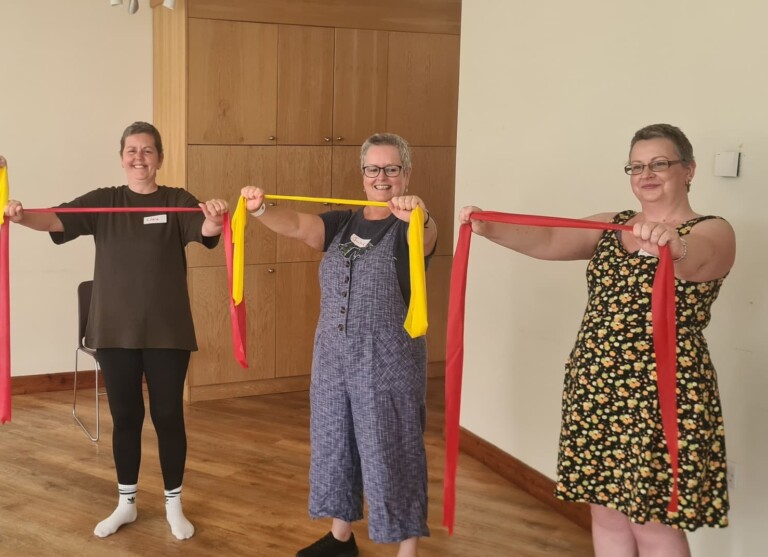
Physical activity can take a few forms, for example going out for a walk, gardening or even completing your daily chores.
It doesn’t have to be formal exercise such as cycling or running.
Anything that gets your heart beating and you slightly out of breath will increase your fitness.
Avoiding long periods of inactivity is very important. Even small changes can help, so start slowly and aim to gradually build up activity.
The World Cancer Research Fund has recommendations on how to be more physically active.
The Christie, the largest cancer centre in Europe, has a useful booklet to download : Exercising during and after treatment for cancer
The Department of Health and Social Care guidelines recommend aiming to be active daily:
See the gov.uk guidelines for more information.
During treatment, it is not always possible or appropriate to meet these guidelines but maintaining some physical activity is still important and beneficial.
Prehabilitation – known as prehab – means getting ready for cancer treatment before it starts.
It is now recognised by healthcare providers around the world.
Research shows that patients who undergo prehab should have improved outcomes, including better survival rates, greater tolerance to treatment, reduced post-operative complications and less time spent in hospital.
Prehab covers three particular parts of your health:
Stopping smoking and cutting down on alcohol can also help. It helps while you’re having treatment, with your recovery, as well as improving your overall health.
The video below is about the things you can do to improve your health and wellbeing before cancer treatment. It is for anyone affected by cancer. The video is around six minutes long.
If you are seeking help and guidance with your prehab or rehab, please contact us here at FORCE.
Here we offer free assessments and advice from our own specialist physiotherapists for anyone who receives a cancer diagnosis.
One-to-one consultations are available at our Exeter FORCE Support Centre and at a few community hubs.
Individual advice and home exercise programmes are tailored specifically to your needs and we are able to signpost you to FORCE exercise classes (Pilates, yoga, strength and balance, virtual Zoom class) or to one of the gym programmes in the community where a personal programme can be offered by a level 4 Cancer rehab qualified instructor
For more information, get in touch with FORCE on 01392 403094 or email physio@forcecancercharity.co.uk
What started as an idea between two friends to ride their motorbikes around Devon and raise a few hundred pounds…
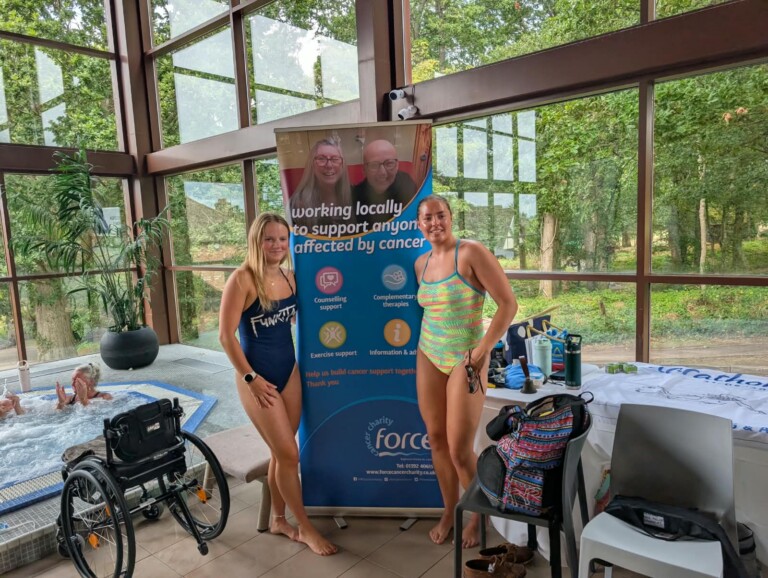
Two best friends, Harriet and Amelia have swam the equivalent of a marathon in a single day to raise money…

Cancer touches almost every family in Devon. Whether it’s a parent, partner, friend, colleague or neighbour, most of us know…
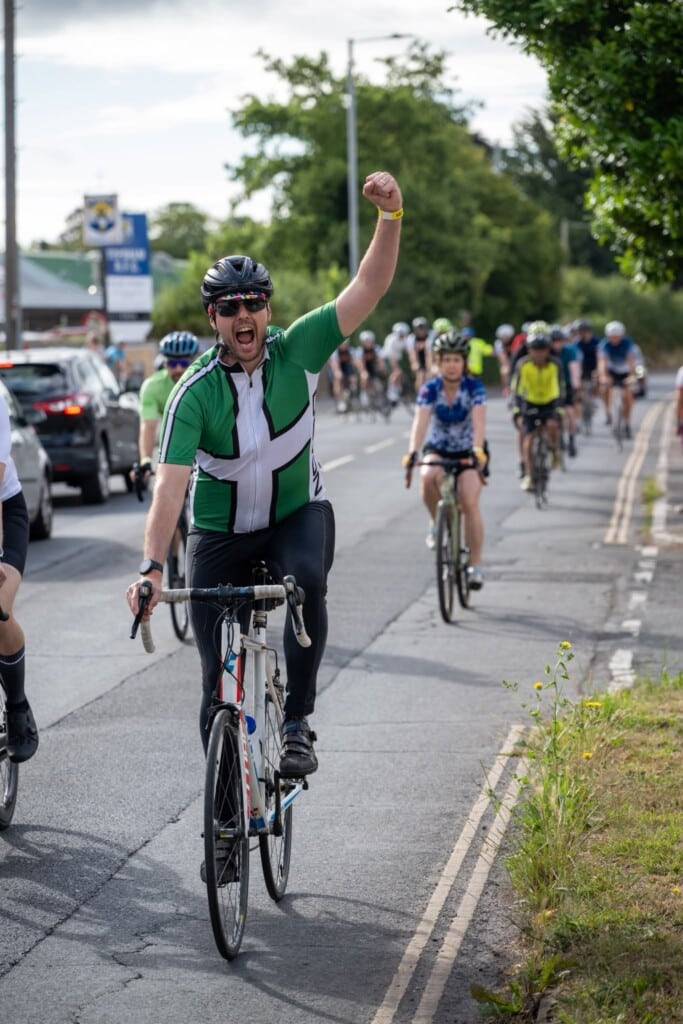
The annual Nello cycle ride has raised more than £82,000 in support of local people dealing with a cancer…
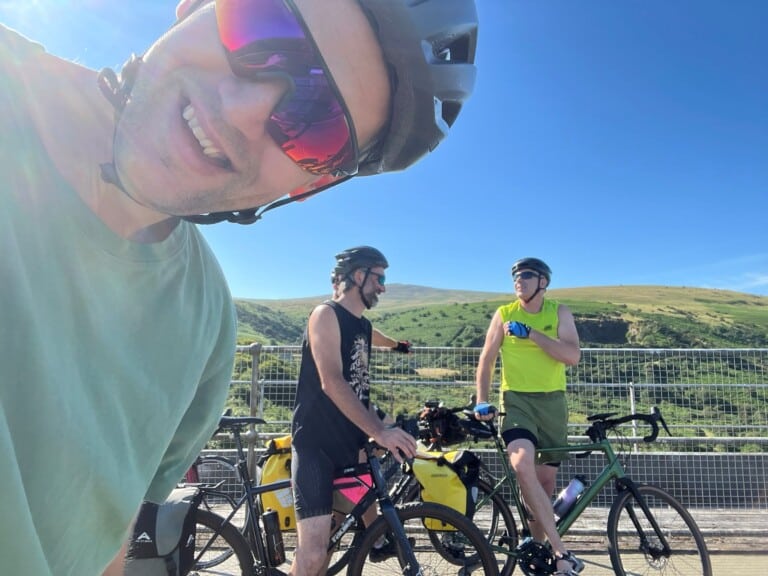
It’s been a tough couple of years for young dad Guy Richardson. In late 2024 he was diagnosed with Burkitt…
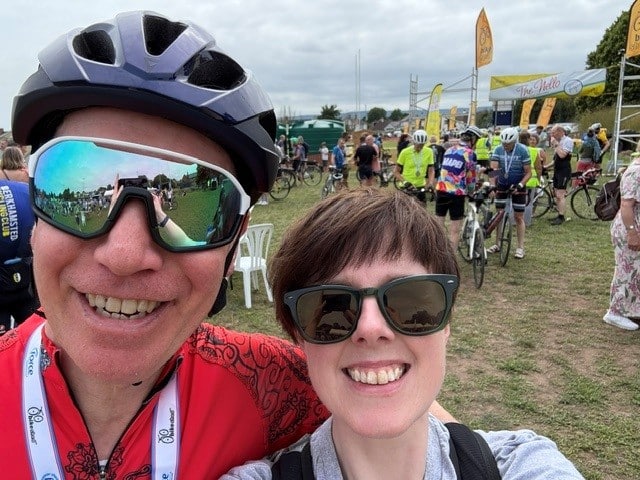
When Laura Baker from Exeter was diagnosed with breast cancer in 2022 at the age of 39, she was treated…
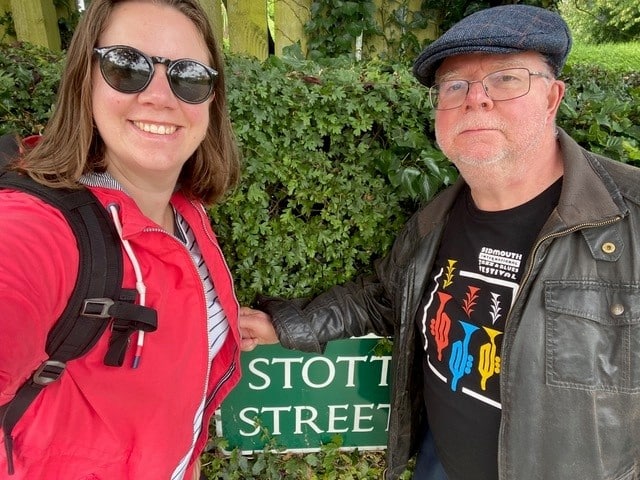
Mark Stott from Exeter discovered he had cancer in February and three weeks later had his stomach removed. It was…
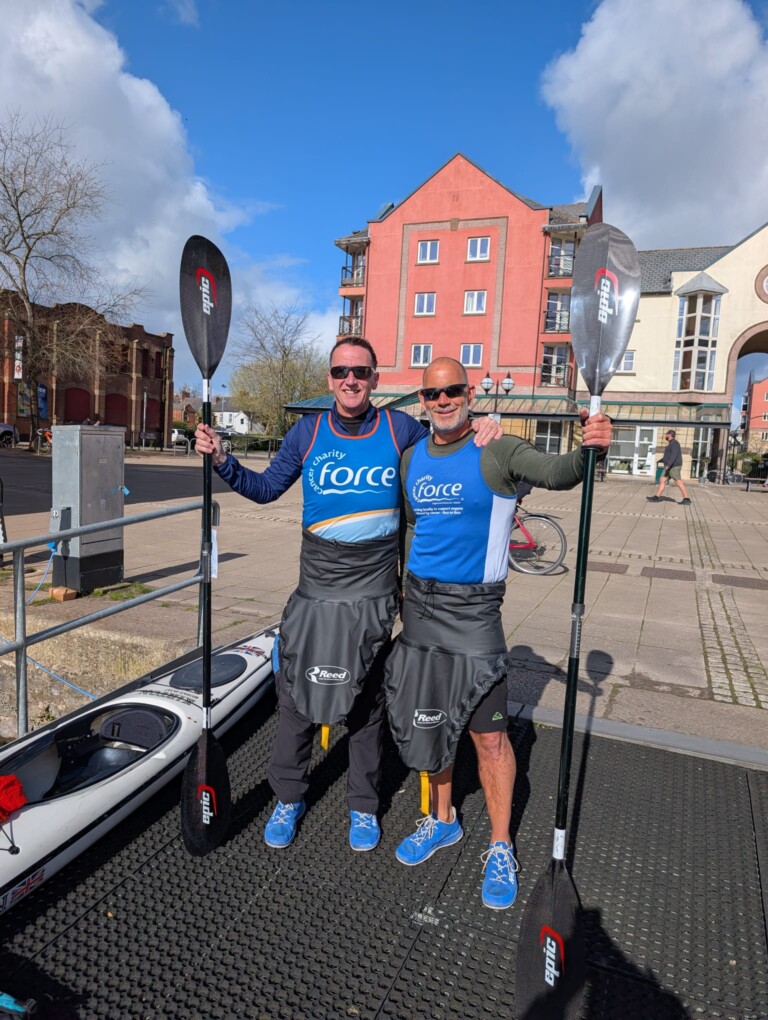
Two former long-serving police officers from Devon will team up next month to tackle what’s been described as the most…
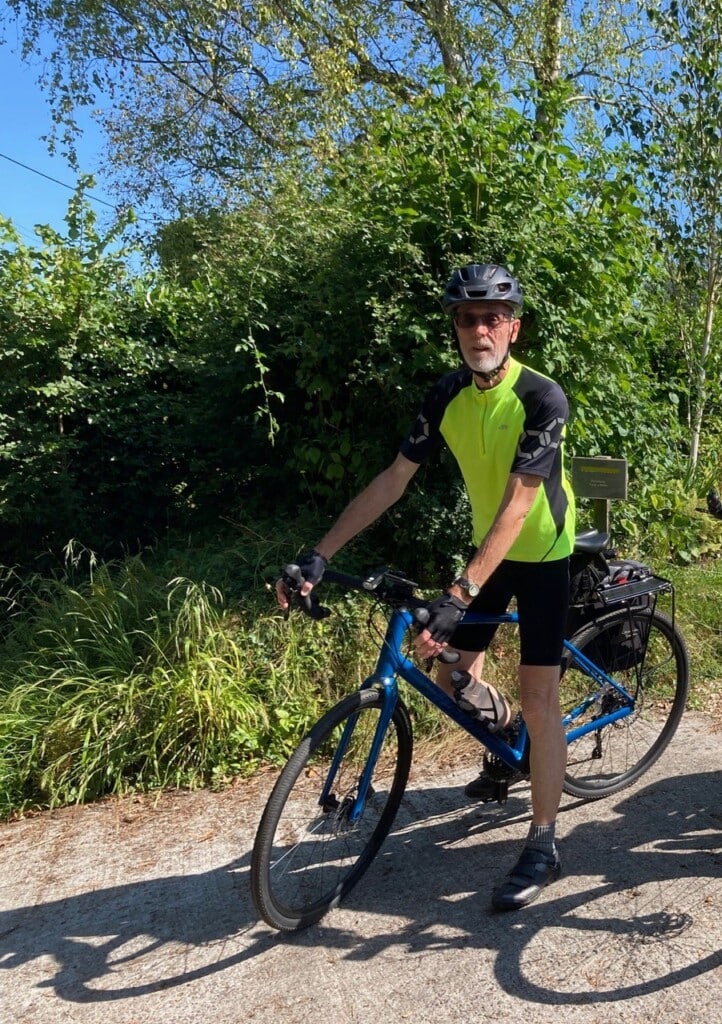
Mark Durk will be taking part in his first Nello ride this year, cycling 60 miles to ensure that cancer…
A young mum from Devon she has channelled her experience of an incurable cancer diagnosis into writing a book. Charli…
Sign up to receive our newsletter or information about FORCE. We will never sell on your data - your privacy is very important to us.
Sign up today
The latest FORCE Matters magazine is out now with news about our support for local people dealing with a cancer diagnosis, stories from patients and their loved ones whose lives we have touched and from the communities we serve who find wonderful ways to raise money.
Read more